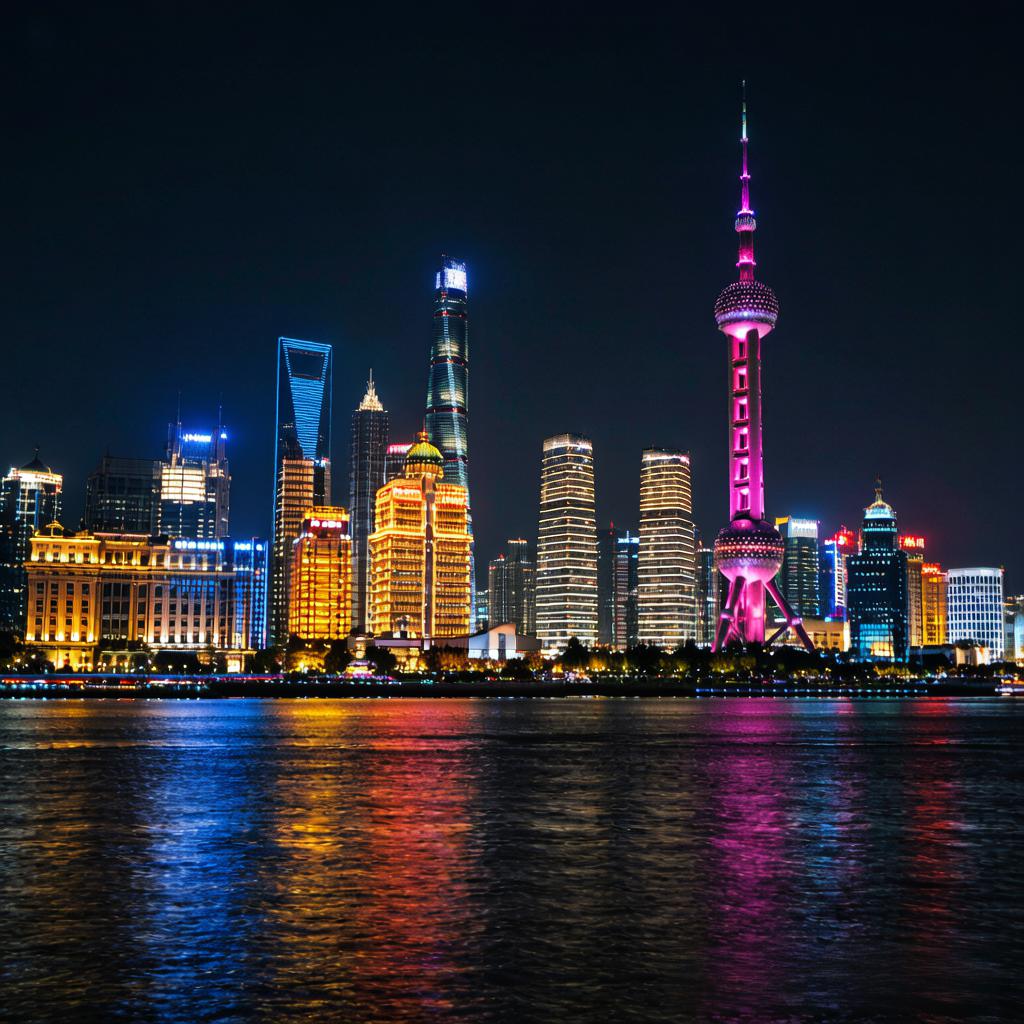
The honest verdict in 30 seconds
Type "China travel" into any travel forum and within three posts you'll hit the question: Is it safe? It shows up in every form: safe for solo females, safe for Americans, safe to use your phone in public, safe to talk about politics.
After reading through more than 400 Reddit threads across r/chinatravel, r/travelchina, r/solotravel, and r/femaletravel, the pattern is unmistakable. Travelers fear the wrong things. Crime and political risk dominate the anxiety. Traffic and scams cause the actual problems.
The short version: China is dramatically safer than most Western travelers expect for violent crime. You can walk alone at 1am in major cities without real risk. Your phone won't get snatched. Your wallet is safer in Shanghai than in Barcelona, Rome, or Paris. But the risks that do exist are specific and worth preparing for.
The complete China survival kit
Safety tips, scam avoidance, emergency phrases, hospital listings, and 20 city routes in one PDF. Works offline on your phone.
Get the Complete Guide for $19.99What 400 Reddit threads actually show
We categorized every safety concern mentioned across 400+ threads and compared them to what travelers actually reported happening. The gap between fear and reality is striking.
| Safety concern | % of threads mentioning | % who had actual problems |
|---|---|---|
| Crime / theft / violence | 38% | 4% |
| Digital safety / VPN / surveillance | 31% | 8% (mostly VPN failures) |
| Political risk / getting in trouble | 28% | 2% |
| Food safety / water safety | 25% | 11% (mostly stomach upset) |
| Traffic / road safety | 22% | 19% (the real #1 risk) |
| Scams / taxi fraud | 20% | 14% |
| Solo female safety | 18% | 3% |
| Medical emergency access | 15% | 6% |
| Air quality / pollution | 12% | 9% (seasonal) |
The pattern is clear. Travelers fear crime and politics. Traffic and scams are what actually hurt people.
Violent crime: the non-issue
The Reddit consensus is overwhelming: China is one of the safest countries in the world for tourists in terms of violent crime. The threads don't even debate this anymore. It's treated as established fact.
Real quotes from travelers:
- "I left my backpack with my laptop, passport, and camera at a tea house in Chengdu while I went to the bathroom. It was there when I came back. That would never happen in a dozen countries I've visited."
- "I've been to 40 countries. China felt safer than most of them."
- "Walked around Shanghai at 2am multiple nights. Never once felt threatened. The streets are busy even at that hour."
Why China is so safe for tourists
- CCTV saturation. China has an estimated 700 million+ surveillance cameras. Crime becomes very high-risk for perpetrators.
- Cultural attitudes toward "face." Harming a foreigner carries enormous social consequences. Locals go out of their way to help visitors.
- Low baseline crime rates. Gun violence is near-zero. Violent street crime is rare even in major cities.
- Tourist visibility. As a foreigner you're conspicuous. People notice you, people help you, people remember you.
Traffic: the real #1 risk nobody mentions
This is the one that catches travelers off guard. 19% of travelers reported a traffic incident, making it by far the most common actual safety problem in China. Not crime, not politics. Traffic.
What "traffic incident" means in practice
- E-bikes on sidewalks. Electric scooters silently zip through pedestrian areas. They don't stop for crosswalks. Look both ways even on sidewalks.
- Right-turning vehicles. Cars turning right on red don't always yield to pedestrians. Even when the walk signal is green, look before stepping off the curb.
- Taxis and ride-hailing. Aggressive driving is common. Seatbelts in back seats are often tucked under the seat. Pull them out and use them.
- Highway travel. Bus and van drivers speed. Choose high-speed rail over overnight buses when possible.
5 common scams and how to dodge them
14% of travelers reported a scam attempt. Most are annoying, not dangerous. Here are the five that catch tourists most often.
A friendly English-speaking local (often a young couple or "art student") approaches you, strikes up conversation, and invites you to a traditional tea ceremony nearby. You're served small cups of tea and snacks. The bill arrives: ¥2,000-¥5,000 ($280-$700). The "friends" disappear or pressure you to pay. The tea house is in on it.
How to dodge: Politely decline any unsolicited invitation to a tea house, bar, or "art exhibition" from strangers who approach you on the street. Real locals don't cold-approach tourists in English to share their culture. If it happens, walk out, call 110 (police), and refuse to pay.
A person dressed as a Buddhist monk approaches, offers a "blessing" or ties a string bracelet on your wrist, then demands a "donation" of ¥100-¥500. Real monks in Chinese temples do not approach tourists for money.
How to dodge: Keep walking. Don't accept anything pressed into your hand. If someone ties something on you, remove it and hand it back while walking away. Real Buddhist monks at temples stay inside the temple grounds and never solicit.
The driver claims the meter is "broken" or takes a suspiciously long route through backstreets. Some drivers refuse short trips during shift changes. Airport taxis sometimes demand a flat rate far above the metered fare.
How to dodge: Use Didi (China's Uber) exclusively. The app shows the route, price is locked upfront, and payment is automatic through Alipay/WeChat. If you must use a taxi, insist the driver uses the meter (da biao) before you get in. At airports, only use the official taxi queue, never accept rides from people approaching you inside the terminal.
You pay with a ¥100 note. The vendor switches it for a counterfeit and claims your money is fake, asking for another. Counterfeit ¥50 and ¥100 notes are the most common, often passed to foreigners who can't spot them.
How to dodge: Use Alipay or WeChat Pay for everything. Cash is rarely needed in 2026 China. If you must use cash, hold the bill up to light to check the watermark, and watch the vendor's hands carefully as they handle your money. Better yet, pay the exact amount to avoid receiving counterfeit change.
A young person claiming to be an art student invites you to a "final exhibition" at a nearby studio. You're shown mediocre paintings at prices starting at ¥1,000. Heavy pressure to buy "to support their career." The art is mass-produced and worth a fraction of the asking price.
How to dodge: Same as the tea house scam. Decline any unsolicited invitation from strangers. Legitimate galleries don't recruit customers off the street.
Solo female travel: the real story
18% of safety threads were from solo female travelers. The actual problem rate: 3%. The Reddit consensus from solo women who've traveled China is overwhelmingly positive.
Real quote: "Solo female, 28, traveled three weeks alone through Yunnan. Not once did I feel threatened. People were endlessly curious, occasionally overly helpful, never hostile. I felt safer than in most European cities."
Practical tips for solo female travelers
- Night walking is safe in major cities. Shanghai, Beijing, Chengdu, Hangzhou, Shenzhen. Streets stay populated late.
- Use Didi for late-night transport. The app tracks your ride and shares your trip status. Avoid unmarked taxis after dark.
- Stay in established accommodations. International hostels and mid-range hotels have English-speaking staff and security.
- Modest clothing draws less attention in rural areas and religious sites. Major cities are like anywhere else.
- Carry a translation app. Pleco or Google Translate (with offline Chinese downloaded) handles most situations.
Travel China with confidence
Solo female safety tips, hospital listings with English-speaking doctors, key phrases for emergencies, and 20 city routes designed for independent travelers.
Get the Complete GuideFood and water safety
25% of threads mentioned food safety concerns. 11% reported actual stomach issues. The good news: serious food poisoning is rare. The bad news: "traveler's stomach" is common in the first week.
Water
- Do not drink tap water anywhere in China. Not in hotels, not in restaurants, not in major cities.
- Drink bottled water (check the seal is intact) or boil tap water for 3+ minutes.
- Hot water is free at every restaurant, hotel, and train station. Bring a thermos.
- Avoid ice in drinks at street stalls and small restaurants. High-end hotels and international restaurants use filtered water for ice.
Food
- Eat where locals eat. Busy restaurants with high turnover are safe. Empty restaurants with lingering food are not.
- Street food is generally safe if you watch it being cooked in front of you. The heat kills most bacteria.
- Avoid raw vegetables and salads at street stalls. They may have been washed in tap water.
- Spicy food can irritate an unadjusted stomach. Start mild and build up over days, not hours.
- Peanut allergies are not well understood in China. Carry a translation card explaining your allergy in Chinese characters. Carry an EpiPen.
Medical emergencies and hospitals
15% of threads worried about medical access. 6% had an actual medical issue. China's major cities have international hospitals with English-speaking doctors. The challenge is finding them in an emergency.
Save these hospital numbers before you arrive
| City | Hospital | Phone |
|---|---|---|
| Beijing | Beijing United Family Hospital | 010-5927-7000 |
| Shanghai | Shanghai United Family (Pudong) | 021-3897-7777 |
| Guangzhou | CanAm International Medical Center | 020-8756-0095 |
| Chengdu | Global Doctor Chengdu | 028-8666-3330 |
| Shenzhen | Shenzhen United Family | 0755-2699-9120 |
What to do in a medical emergency
- Call 120 for an ambulance. Operators speak limited English. Have your hotel name and address ready in Chinese.
- For non-emergencies, use Didi to get to the nearest international hospital. Cheaper and faster than an ambulance.
- Bring your travel insurance details. Most international hospitals accept direct billing with major insurers.
- Carry your prescription medications in original packaging with a doctor's letter. Some common Western medications (Adderall, certain painkillers) are controlled substances in China.
Air quality: when to actually worry
12% of threads mentioned air quality concerns. 9% reported issues, almost all seasonal. Here's the honest take: air pollution in China is real but improving fast, and most travelers experience minimal impact.
The seasonal reality
- Winter (Dec-Feb): Worst air quality, especially in northern cities (Beijing, Xi'an, Harbin). Coal heating ramps up. AQI regularly exceeds 150.
- Spring (Mar-May): Improving. Occasional dust storms from the Gobi in northern China.
- Summer (Jun-Aug): Generally good air due to rain clearing the sky. Hot and humid.
- Autumn (Sep-Nov): Best air quality nationwide. Clear skies, comfortable temps.
When to actually worry
- If you have asthma or respiratory conditions, bring your inhaler and check the AQI (Air Quality Index) daily. Download the "Air Matters" or "China Air Quality" app. AQI above 150 means limit outdoor activity. Above 200, stay indoors.
- For healthy travelers, short-term exposure to moderate pollution is not dangerous. You may notice a scratchy throat or mild cough in northern cities during winter. This clears up after you leave.
- PM2.5 masks (N95) are worth carrying for northern China in winter. Available at any pharmacy.
- Southern cities (Shanghai, Guangzhou, Shenzhen, Kunming) generally have better air year-round.
Political risk: what you can and can't say
28% of threads worried about political risk. 2% had any actual problem. This is the gap between fear and reality at its widest.
The realistic assessment
As a tourist, you are not a target. The Chinese government is not monitoring your WeChat messages with your family back home. Border agents are not going to interrogate you about your social media posts. You will not be detained for being a Westerner.
The 2% who reported problems almost all involved deliberately provocative behavior: waving Tibetan flags at sensitive sites, attempting to interview dissidents, or bringing banned religious materials.
Common-sense guidelines
- Your phone and luggage may be checked at border crossings, especially if you're coming from certain countries. This is routine, not targeted. Cooperate and it takes 5 minutes.
- Avoid discussing sensitive topics (Tibet, Taiwan, Tiananmen, Xinjiang, Falun Gong) with strangers or in public. Locals won't bring these up either.
- Don't bring banned materials. Religious texts in bulk, politically sensitive books, anything advocating separatism. Customs will confiscate.
- Social media posts critical of the Chinese government, made from inside China using a VPN, are technically visible to authorities if they choose to look. In practice, they don't monitor tourist VPN traffic. Use common sense.
- Photography restrictions apply at military sites, government buildings, and some border areas. Signs are posted. When in doubt, ask.
Emergency numbers and apps to save
Save these before you land. China's emergency system works, but operators speak limited English outside major cities.
| Service | Number | English support |
|---|---|---|
| Police (general) | 110 | Limited, major cities only |
| Ambulance / Medical | 120 | Limited |
| Fire | 119 | Limited |
| Traffic accidents | 122 | No |
| Tourist complaints | 12301 | English in major cities |
| Weather/air quality | 12121 | No |
Apps to install before arrival
- Alipay (payments, mini-programs for everything)
- WeChat (communication, payments, mini-programs)
- Didi (ride-hailing, English interface available)
- Amap / Gaode (maps, works without VPN, English interface)
- Google Translate (download offline Chinese pack before arrival)
- Pleco (best Chinese-English dictionary, offline)
- Air Matters (real-time AQI monitoring)
12 safety tips to screenshot
- Use Didi, not street taxis. Price is locked, route is tracked, payment is automatic.
- Pay with Alipay or WeChat Pay. Avoids counterfeit currency entirely.
- Look both ways on sidewalks. E-bikes don't stop.
- Treat green walk signals as "proceed with caution," not "safe to cross."
- Decline any unsolicited invitation from strangers who approach you in English.
- Drink only bottled or boiled water. Never tap water.
- Eat at busy restaurants. High turnover means fresh food.
- Carry a translation card for allergies. In Chinese characters.
- Save hospital numbers for cities you'll visit. See the table above.
- Bring an N95 mask for northern China in winter if you have respiratory issues.
- Install a VPN before arrival. VPN websites are blocked inside China.
- Keep your passport on you at all times. Hotels and some sites require it.
- Trust your instincts. If a situation feels off, walk away. China is safe, but scam artists exist everywhere tourists gather.
Ready to travel China safely?
Our Complete Guide covers safety tips, emergency phrases, hospital listings, scam avoidance, and 20 city routes. Everything you need, offline on your phone.
Get the Complete Guide for $19.99