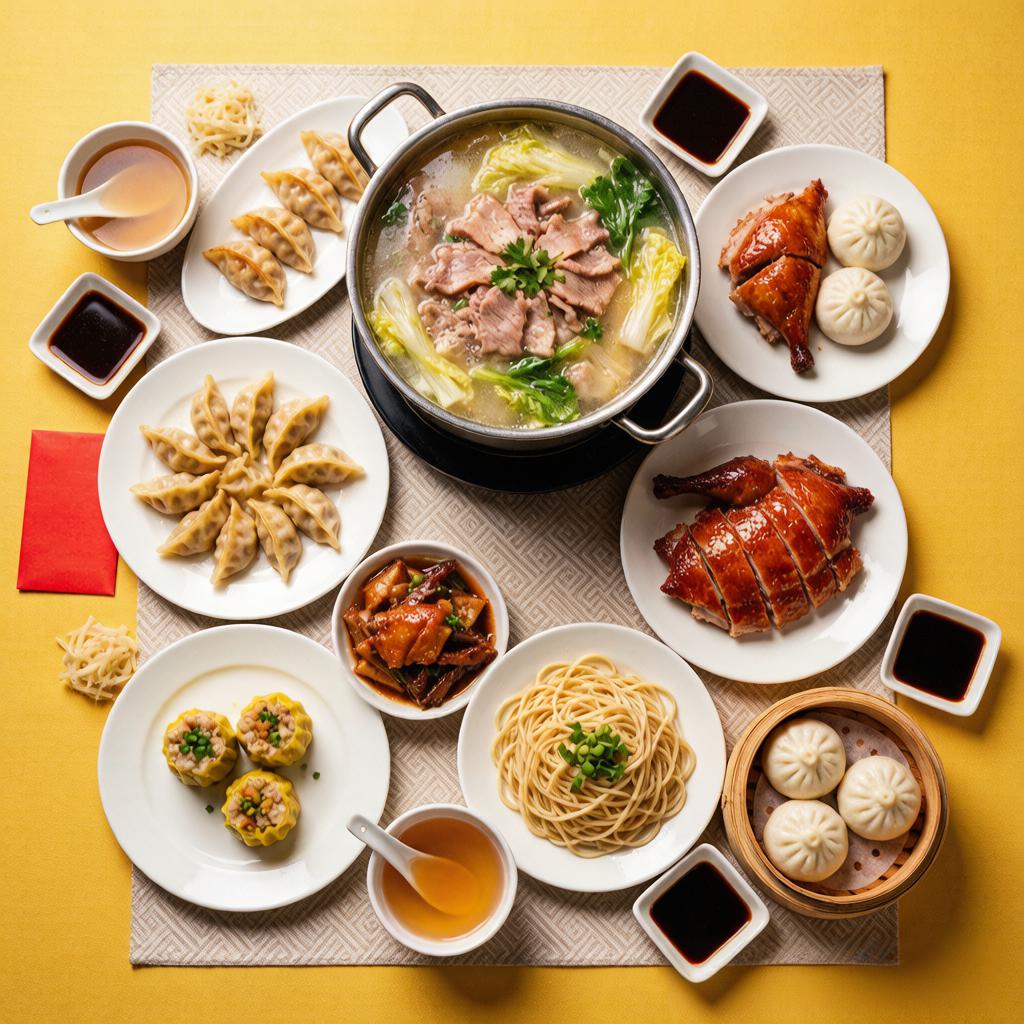
Why China is higher-risk
Several factors stack up for allergic travelers:
- Peanut and sesame oil are common cooking fats, including in stir-fries that look vegetable-only.
- Shellfish and shrimp appear in stocks, dumpling fillings, and "seafood flavor" seasonings you cannot see.
- Menus rarely list allergens, and "no X" said aloud is easily misheard or overridden by a well-meaning server.
- Cross-contact is real in open woks shared across many dishes.
This does not mean avoid Chinese food — it means prepare. Our apps checklist includes a translation app, but a card beats live translation when the kitchen is loud.
Build your translation card
Write the key facts in clear, simple Chinese (and keep English underneath). Show it to the server and ask them to show it to the chef. A good card states: the allergen, that it is an allergy (not a preference), and what to do (avoid the ingredient and cross-contact).
Core line to include:
"我对[花生/海鲜/鸡蛋/牛奶/坚果]严重过敏。请不要用这些食材,也不要用同一口锅和油。如果做不到,请告诉我。"
That reads: "I have a severe allergy to [peanut/seafood/egg/dairy/nuts]. Please do not use these ingredients, and do not use the same wok or oil. If you cannot, please tell me." Replace the bracketed word with your specific allergen.
Exact phrases to use
| English | Chinese |
|---|---|
| I am allergic to peanuts | 我对花生严重过敏 |
| I am allergic to shellfish | 我对海鲜/贝类严重过敏 |
| No peanut oil, please | 请不要放花生油 |
| Does this contain [ingredient]? | 这个里面有[食材]吗? |
| Please use a clean wok | 请用干净的锅 |
Print several copies. Hand one to the server, keep one on the table, and photograph it on your phone as backup.
How to order safely
- Show the card before ordering. At a restaurant, flag the server down and show it as you sit down.
- Point, do not improvise. Order plainly cooked dishes (steamed vegetables, plain rice, grilled meat) where the ingredient list is short.
- Avoid buffets and shared hot pots where cross-contact is near-certain.
- Carry your medication. Keep antihistamines and, if prescribed, an epinephrine auto-injector on your person — not in checked luggage, not in the hotel room.
- Learn "hospital" and "allergy" in Chinese on your phone before you need them.
What if a reaction happens
Know the nearest international-standard hospital in each city you visit, and save its name in Chinese. For a mild reaction, take your medication and get to a pharmacy or clinic. For anything breathing-related, go to an emergency room immediately — do not wait. Major cities have English-speaking departments; our safety guide lists what to expect.
Consider a medical alert card in Chinese with your name, allergen, and "I carry an epinephrine injector" so responders act fast.
One guide, every scenario
The Complete Guide bundles payment, connectivity, transport, hotels and a survival-phrase kit — with checklists you can use offline when Wi-Fi fails.
Get the Complete Guide for $19.99